
Solution · Computer Vision
AI-powered visual inspection on the production line
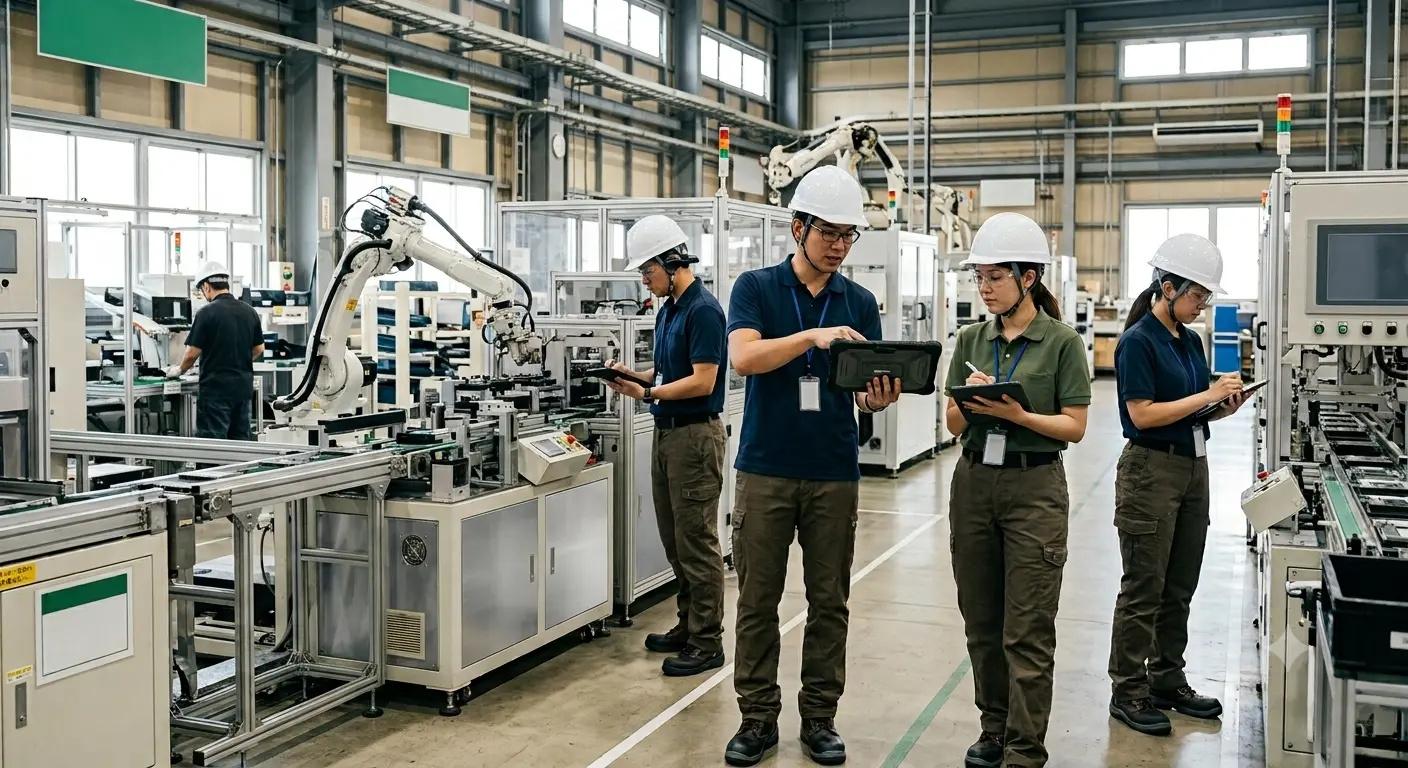
Industrial cameras combined with computer vision models, automatically detecting defects on the production line — working alongside human inspectors.
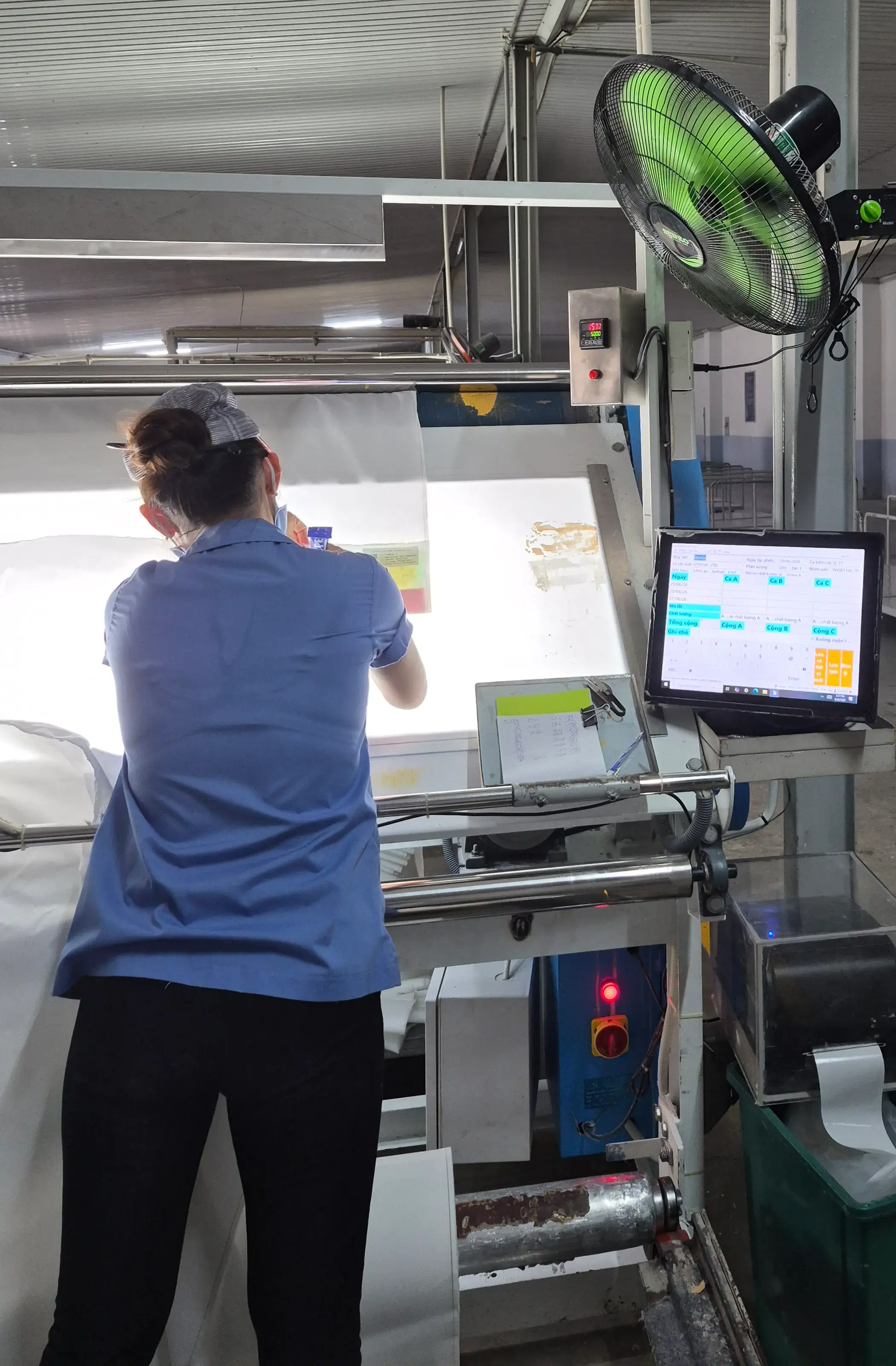
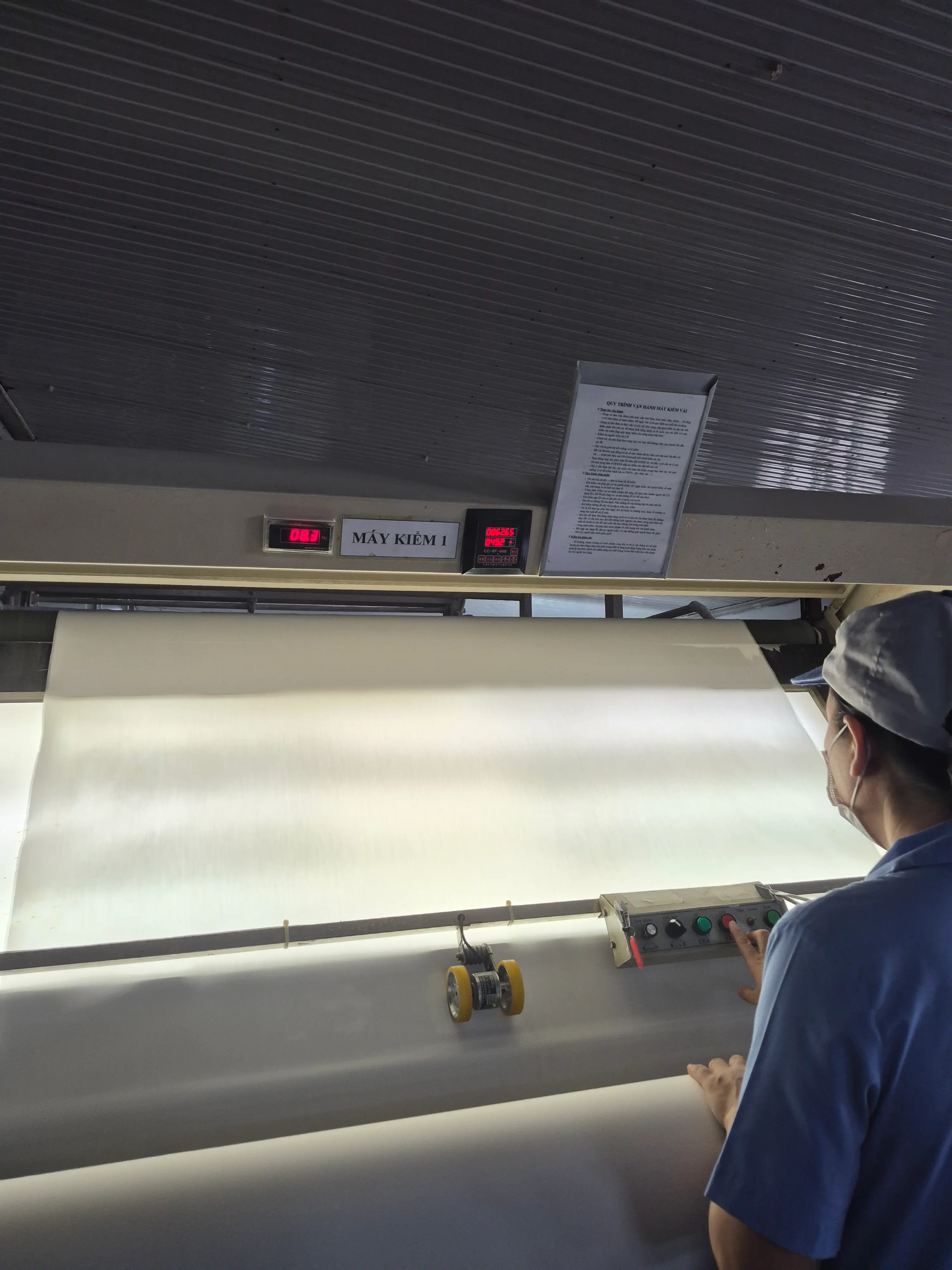

The problem
Physical inspection and monitoring still depend on people
$2.5B
lost to manufacturing defects in Vietnam each year. Estimated based on an average industry defect rate of 5%, in an export sector worth $50B/year.
In textiles, furniture, mechanical engineering, and packaging — many quality inspection steps still rely on the naked eye and worker experience. These are highly repetitive, high-volume tasks: ideal conditions for AI-powered visual inspection.
Speed is limited
Inspection easily becomes the bottleneck of the entire production line
Miss rate increases toward end of shift
When volume is high or workers lose focus
Inconsistent criteria
Varies between inspectors, shifts, and factories
No historical data
Cannot analyze defect trends to improve upstream with suppliers
Mozy's positioning on this problem
Both international and local team
International vision and connections, with deep local market knowledge
Deep understanding of Vietnam manufacturing
Years of working with manufacturing partners, familiar with on-line processes
Extensive industry network
Relationships with a network of manufacturers across the textile supply chain
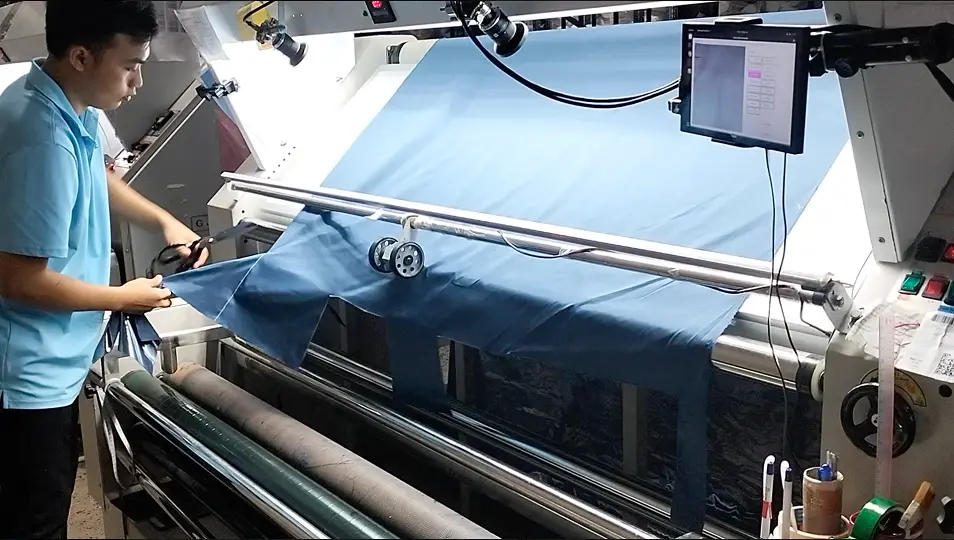
A typical example: fabric defect inspection before cutting and laying in the textile industry — each roll must be visually inspected before entering the production line.
Solution
Four steps, from camera to defect trend analysis

Industrial cameras
Installed at inspection stations, reusing existing equipment when suitable

Vision model
Trained on the client's own data and QC criteria


Real-time alerts
Flag defects at the station, working alongside inspectors

Systematic storage
Analyze defect trends by batch, supplier, and shift
Key application — Incoming fabric inspection
Raw fabric after warehousing is inspected roll by roll before cutting/laying. The system detects surface defects during the inspection process. Three defect groups currently detected: stains, creases, and fabric flaws.
Expanding to other processes
Measured on a real production line · Q1.2026
| Manual | Mozy | |
|---|---|---|
| Miss rate | 34.46% | 5.92% |
| Accuracy | 65.54% | 97.99% |
| Fabric inspection speed | 12 yd/min | 20 yd/min |
Measured results · Q1.2026
A/B test results at the client's factory
Direct comparison between human fabric inspectors and the Mozy system on the same fabric batch, under the same operating conditions.
6x fewer misses, 1.7x more accurate
34.46%
Miss rate · Human
5.92%
Miss rate · Mozy
65.54%
Accuracy · Human
97.99%
Accuracy · Mozy
12%–60%+ more accurate by defect group
36%→87%
Stains
67%→98%
Creases
100%→99%
Fabric flaws
5.92%
Mozy's miss rate,
vs. 34.46% with manual inspection
97.99%
overall accuracy,
vs. 65.54% with manual inspection
100%
accuracy on the crease defect group
Source: A/B test at the client's factory, Q1.2026 (March 12 and 17, 2026).

Economic impact
6x productivity gain,
cost per unit cut in half
| ASPECT | MOZY AI | MANUAL |
|---|---|---|
| Fabric inspection speed | 20 yards/min | 12 yards/min |
| Total cost per unit | $0.06/yard | $0.12/yard |
| Scalability | 3 stations/1 worker | 1 station/1 worker |
| Consistency | Consistent 24/7 | Varies by capability |
| Time to operation | Deploy in 2 weeks | 3–6 months training |
6x
productivity per worker
~50%
cost per yard of fabric
2 weeks
instead of 3–6 months training
Total cost includes labor, machinery, defect-related costs, and other associated expenses — not just software. Based on data from a pilot deployment at the client's factory, Q1.2026.
Ready to assess your enterprise operations?
All information exchanges are conducted under NDA.